3. Inspect the Packaging
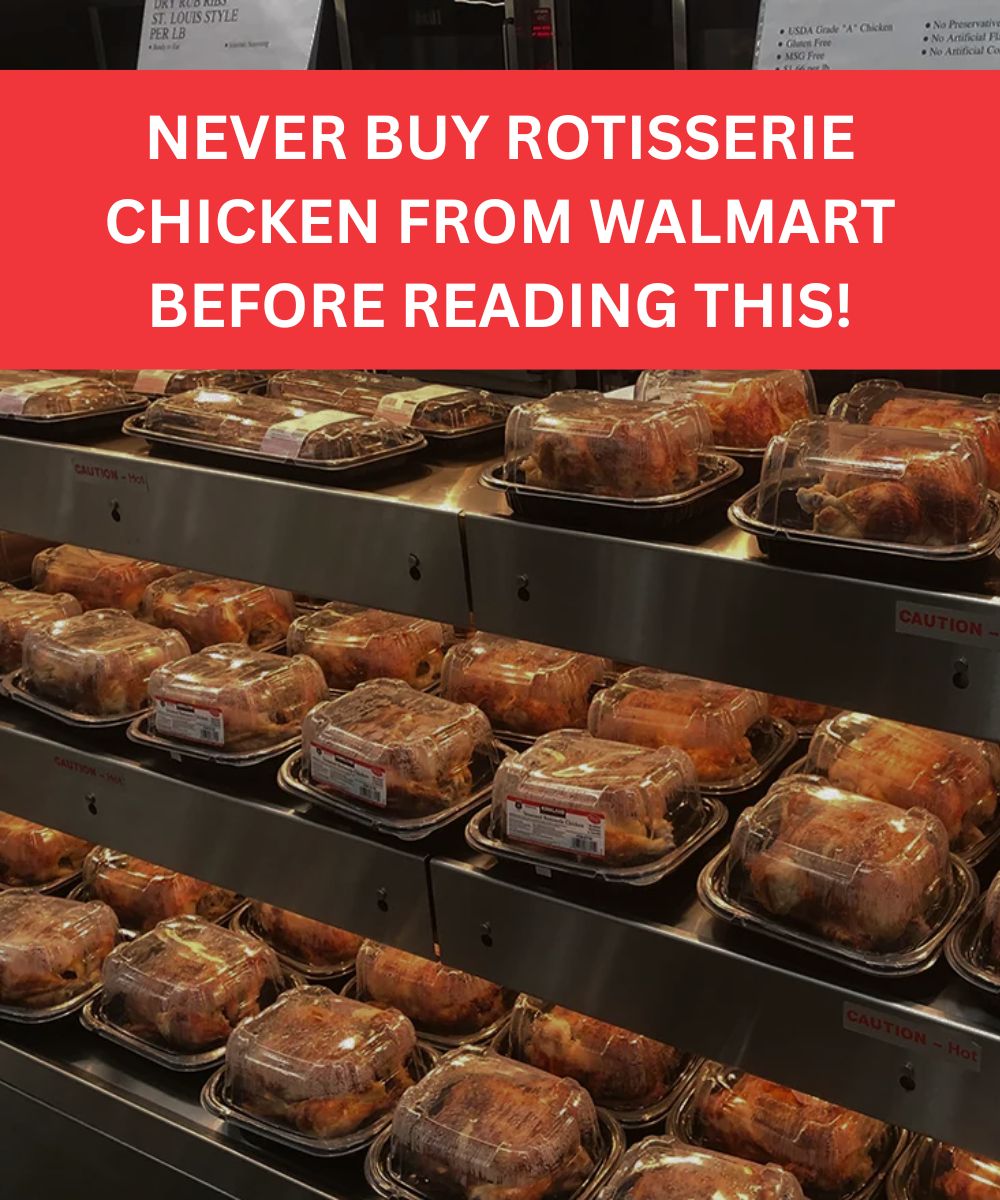
The packaging can tell you a lot about the chicken’s condition. Ensure the bag or container is intact with no tears, leaks, or signs of tampering. Damaged packaging increases the risk of contamination and spoilage. Also, make sure the container is clean and dry, as moisture or residue on the outside may indicate improper handling.
4. Observe the Color and Smell
Fresh rotisserie chicken should have a golden-brown color with a natural aroma. Avoid chickens with unusual odors, slimy textures, or discoloration such as gray or greenish patches. These are war:ning signs that the chicken may be spoiled. Trust your senses if something seems off, it’s not worth the risk.
5. Review Ingredients and Additives
Many store-bought rotisserie chickens include added ingredients, such as preservatives, salt, or flavor enhancers. While these can improve taste and shelf life, consuming too much sodium or artificial additives may not be ideal for your health. Take a moment to read the ingredient list and nutritional facts, especially if you are watching your sodium intake or trying to eat more naturally.

Bonus Tip: Consider Homemade Alternatives
If you frequently buy rotisserie chicken, you might also consider making one at home. Homemade rotisserie-style chicken allows you to control the seasoning, avoid additives, and ensure freshness. It may take more effort, but it’s often healthier and can be just as convenient if prepared in advance.
Conclusion
Walmart’s rotisserie chicken is a convenient meal solution, but it’s important to stay vigilant about freshness, safety, and nutrition. By checking the production and expiration dates, ensuring proper storage, inspecting the packaging, observing color and smell, and reviewing ingredients, you can make a more informed choice. These small precautions can protect your health and ensure you enjoy a delicious, safe meal every time.