We've all been there: taking a loaf of bread from the pantry and discovering that it's stale. It can be disappointing to see food that doesn't look as fresh and tasty as it used to. But before you throw it in the trash, consider the advice of your mother-in-law, who insists that it's a shame not to use it. This dilemma about throwing away or reusing stale bread is common in many households.
In this article, we explore what stale bread is, how safe it is, and the environmental impact of food waste. We'll also delve into creative ways to revive stale bread, popular tricks, and expert opinions to help you make an informed decision. Let's dive into the world of stale bread and find out if it's really worth keeping.
1. What does stale bread mean?
Stale bread is basically bread that has lost its moisture and has become dry and hard. This process, called retrogradation, occurs when the starch molecules in the bread crystallize and release water. This can happen within a few days of baking, especially if the bread is not stored properly.
While stale bread is often associated with stale or spoiled, it's important to know that stale bread is not the same as moldy bread. Stale bread is still safe to eat, provided there are no signs of mold or spoilage. The texture may be less appealing, but the bread itself is not harmful.
2. Is it safe to eat stale bread?
Stale bread is generally safe to eat, as long as it is free of mold. Mold can appear as green, black, or white, fluffy spots and should be avoided, as it can produce mycotoxins, which are harmful to health. If the bread is just dry and hard, it's safe to eat.
However, the texture and flavor may not be as pleasant as that of fresh bread. To enhance the experience, you can toast it or use it in recipes where the texture is less noticeable, such as bread pudding or croutons.
3. Environmental impact of food waste
Food waste is a significant environmental problem, with around 1.3 billion tonnes of food thrown away globally each year. Bread is one of the most discarded foods. When food is thrown away, it not only means a loss of resources used in production, such as water and
energy, but also contributes to greenhouse gas emissions when it breaks down in landfills.

High School Quarterback Honors Childhood Promise To Girl With Down Syndrome — Takes Her As His Prom Date

‘Bride-To-Be’ Runs Off With $900 Of Salon Services So Staff Calls Her Out In Public To Get Payback

Judi Dench Admitted She ‘Can’t See Anymore’ In Candid Interview
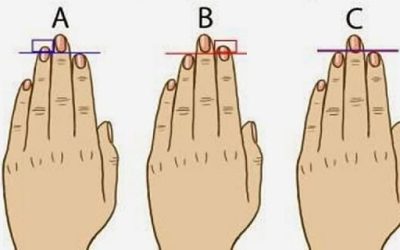
Your fingers can tell you a lot about your personality. What kind of fingers do you have?

Devoted Dad Raises Son With Down Syndrome Alone After Wife Wanted To Give Him Up