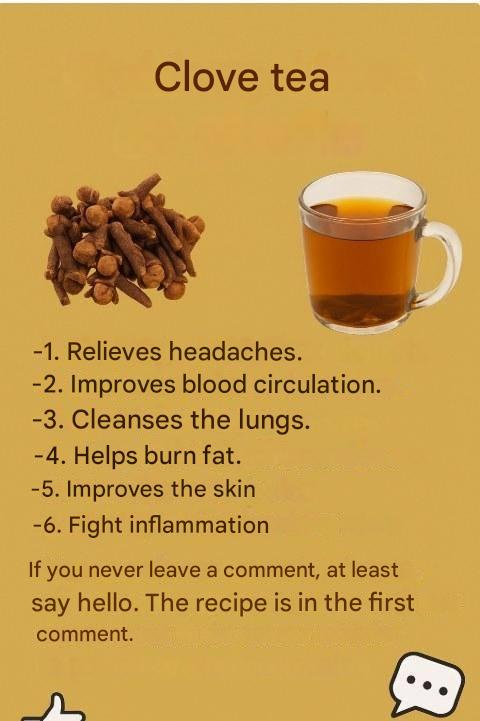
Clove tea: benefits, recipes and precautions

8. When to draw the line: signs that your bread can no longer be saved
Although stale bread can often still be saved, there are times when it is better to throw it away. If you notice any signs of mold, such as fluffy spots or a foul odor, it's time to throw the bread away. Mold can spread quickly, even if it is not visible all over the loaf.
In addition, the bread that has been stored for a long time and has become extremely hard or has an unpleasant taste may not be worth storing. In these cases, it is better to choose safety and quality over reducing waste.
9. Cultural perspectives on food waste
Different cultures have different views on food waste. For example, in many European countries there is a strong tradition of using all parts of food, including stale bread, in creative ways. Dishes such as Italian panzanella or French pain perdu (French toast) are traditional recipes with leftover bread.
However, some cultures prioritize freshness and discard food that is no longer in optimal condition. Understanding these cultural differences can provide insight into how we tackle food waste and inspire us to adopt more sustainable practices.
10. Expert opinions: what chefs say about stale bread
Many chefs see stale bread as an opportunity rather than a problem. Well-known chefs often emphasize the importance of minimizing waste and finding creative uses for ingredients that might otherwise be thrown away. Stale bread can be a versatile ingredient in the kitchen, suitable for various dishes.
For example, chef Massimo Bottura is known for his commitment to reducing food waste and has developed recipes specifically designed for the use of stale bread. His approach emphasizes the potential for culinary innovation and sustainability.
11. Making the Decision: Factors to Consider
When deciding whether to use or throw away stale bread, you should consider factors such as safety, taste, and environmental impact. If the bread is safe to eat and can be used in a way that enhances the flavor, it may be worth storing. However, if the bread is moldy or not appetizing, it is better to prioritize health and quality.
Ultimately, the decision comes down to personal preference and values. By informing you about the possibilities and potential benefits of stale bread, you can make a choice that aligns with your priorities and contributes to a more sustainable lifestyle.

High School Quarterback Honors Childhood Promise To Girl With Down Syndrome — Takes Her As His Prom Date

‘Bride-To-Be’ Runs Off With $900 Of Salon Services So Staff Calls Her Out In Public To Get Payback

Judi Dench Admitted She ‘Can’t See Anymore’ In Candid Interview
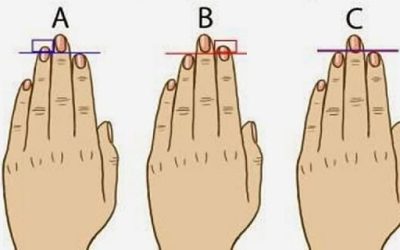
Your fingers can tell you a lot about your personality. What kind of fingers do you have?

Devoted Dad Raises Son With Down Syndrome Alone After Wife Wanted To Give Him Up