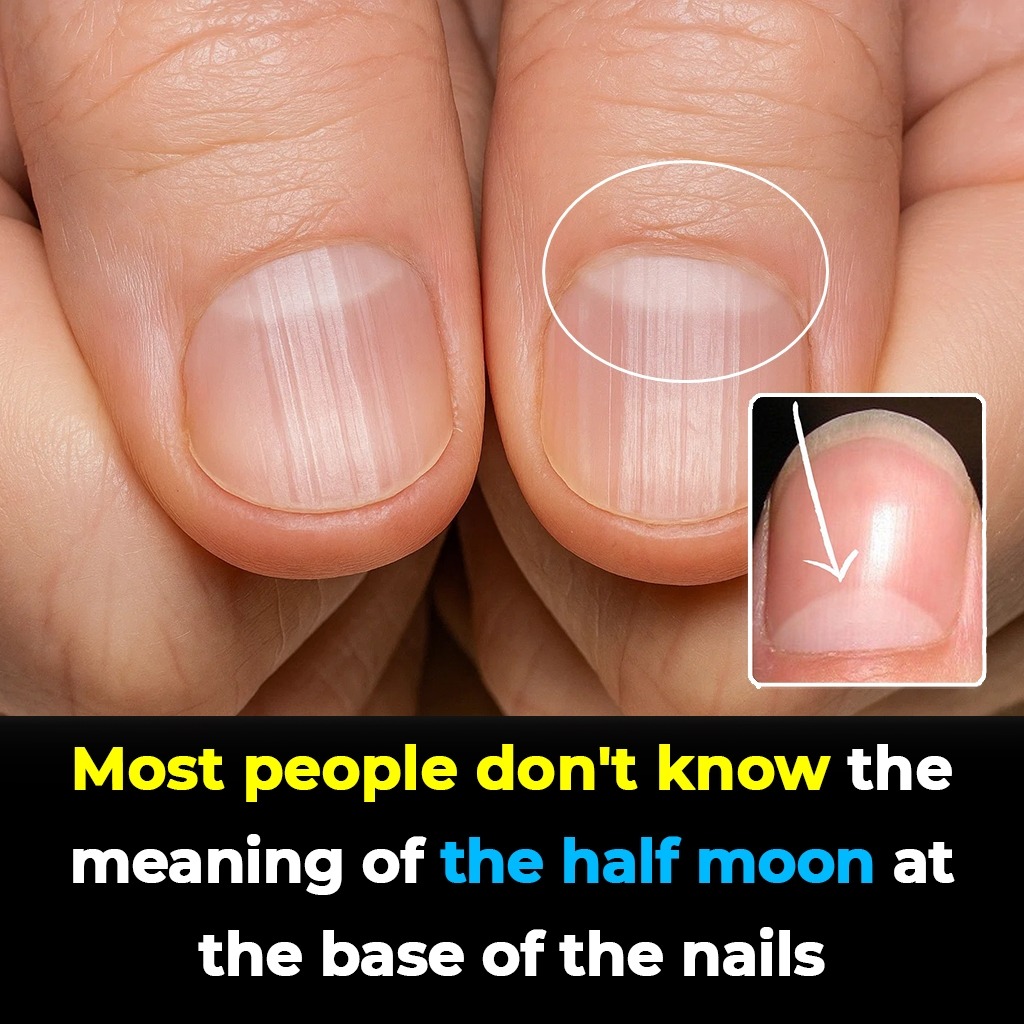
- Bluish or purplish lunula may signal poor oxygen circulation.
- Grayish or pale lunula could reflect reduced blood flow or medication side effects.
- Red or blotchy lunula may suggest inflammation, vascular issues, or infection.
A dermatologist’s evaluation is recommended if discoloration continues or spreads.
What Your Nails Reveal About Lifestyle:
Like skin and hair, nails reflect more than cosmetic beauty—they mirror internal health. A healthy, clearly visible lunula often correlates with:
- A nutrient-rich diet full of protein, iron, zinc, and B vitamins
- Balanced hormone function
- Manageable stress levels
On the other hand, fading lunulae may result from:
- Restrictive or crash diets
- Poorly balanced vegetarian or vegan eating patterns
- Chronic stress and emotional exhaustion
- Hormonal changes during menopause, postpartum recovery, or medical treatments
In short, your lifestyle choices and stress levels leave subtle fingerprints on your nails.
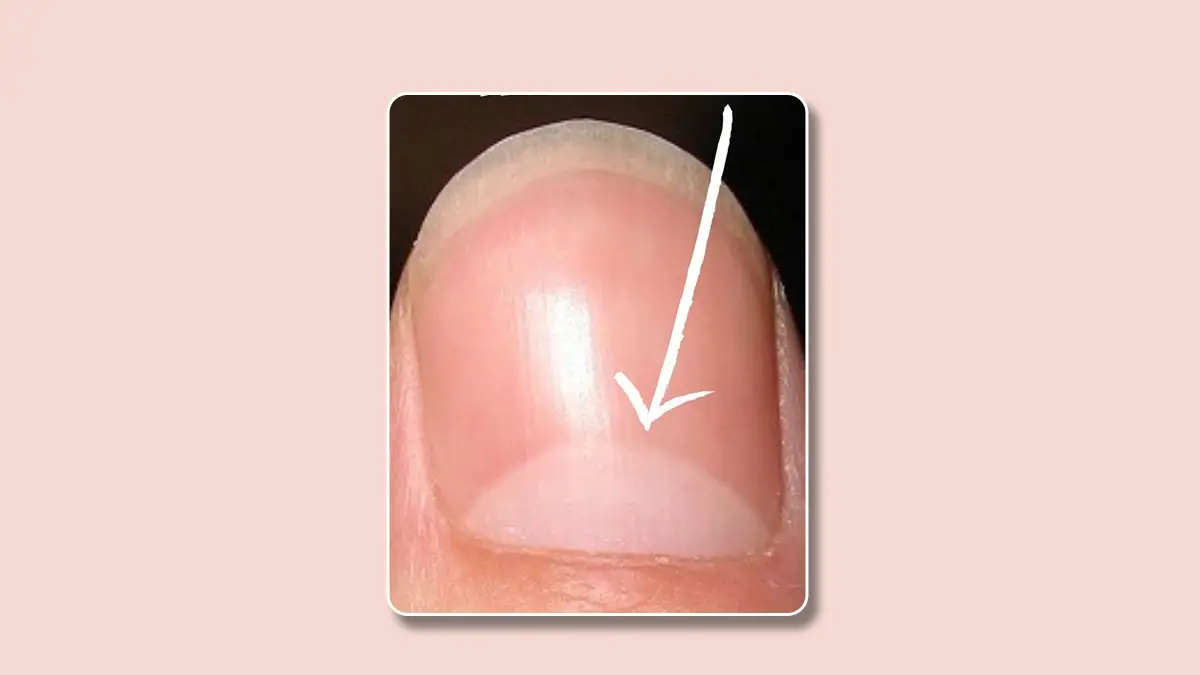
When It’s Time to Seek Professional Advice:
While lunula changes rarely indicate emergencies, they can act as early prompts to pay closer attention. You should consider visiting a healthcare provider if the lunula:
continued on next page