We all know that knowing your blood type can be crucial in an emergency. But what you may not know is that some research suggests it may also play a role in your long-term health. In particular, it could affect your risk of developing certain cancers. So, what is the most protected blood type? And how can you discover yours? Let's take a closer look.
How can you easily find out your blood type?
Many people don't know their blood type, yet it's valuable information. There are several easy ways to find out:
- For blood donations: The French Blood Establishment (EFS) will inform you of your group after a donation.
- By asking your doctor during a blood test.
- In your health record if you have already had a blood test.
- By taking a blood group test at a pharmacy.
Knowing your blood type is not only useful in the event of an accident, but can also help you better understand certain health risks.
Does blood type play a role in cancer risk?
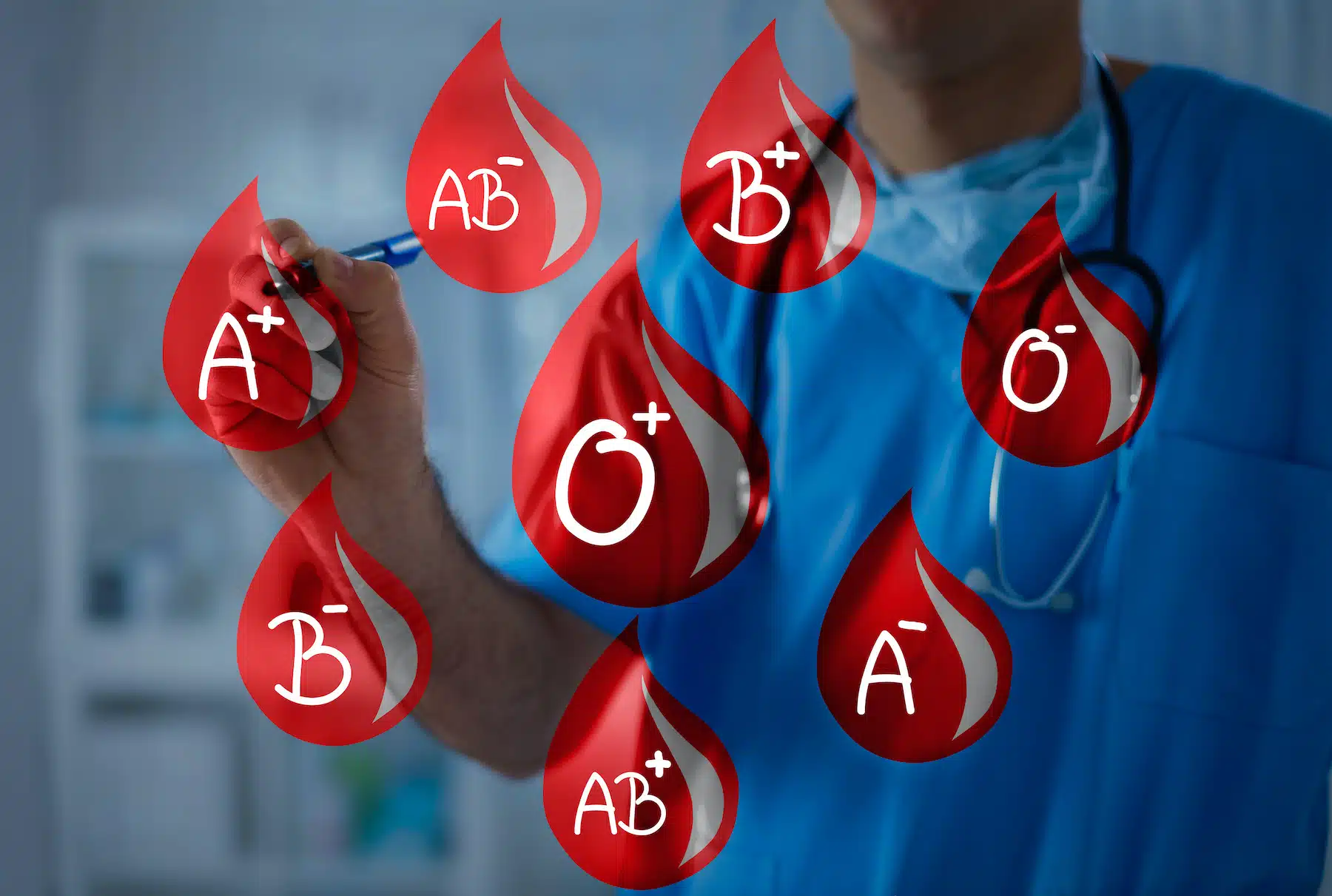
Studies have examined the relationship between blood type and certain chronic diseases. A 2015 study found notable differences depending on blood type.
Groups A, B and AB: an increased risk of certain types of cancer
People with blood types A, B, or AB appear to have a slightly higher risk of developing certain types of cancer, including:
- Stomach cancer : Research suggests that these blood types are more susceptible to certain bacteria such as Helicobacter pylori, a known risk factor for this type of cancer.
- Pancreatic cancer : Here too, groups A, B and AB would be more affected.

High School Quarterback Honors Childhood Promise To Girl With Down Syndrome — Takes Her As His Prom Date

‘Bride-To-Be’ Runs Off With $900 Of Salon Services So Staff Calls Her Out In Public To Get Payback

Judi Dench Admitted She ‘Can’t See Anymore’ In Candid Interview

Your fingers can tell you a lot about your personality. What kind of fingers do you have?

Devoted Dad Raises Son With Down Syndrome Alone After Wife Wanted To Give Him Up