Here’s the good news. Before you assume you need to jump onto prescription medications, there’s a simple, natural fix related to a mineral deficiency that can make a significant difference. That deficient nutrient is potassium.
How big of an impact can potassium really have? Researchers have studied this from both sides. In one study, healthy men with normal blood pressure were put on a very low-potassium diet. In just nine days, their blood pressure rose significantly. On the flip side, numerous studies have looked at what happens when you increase potassium intake. A large review of 22 high-quality trials found that increasing potassium intake reduced systolic blood pressure by an average of 3.5 points. That might not sound like a lot, but every point matters. And the effect is even more dramatic when you get your intake into the optimal range.
4. How Much Potassium Do You Need (And How Does It Help)?

When potassium intake reaches the sweet spot of 3,500 to 4,700 milligrams per day, the research shows that the reduction in systolic blood pressure can be as high as a whopping 7 points. Remember that a 10-point drop in blood pressure can cut your stroke risk by 27%, so a 7-point drop from a single dietary change is incredibly powerful.
Potassium works its magic by helping to balance sodium levels in your body. While your body needs some sodium, most modern diets are overloaded with it, which causes your body to retain water and increases blood pressure. Potassium helps your kidneys flush out excess sodium, and it also helps to relax the walls of your blood vessels. This two-pronged attack—less sodium and more relaxed vessels—is a highly effective way to lower blood pressure naturally.
5. The Proof: The Salt Substitute Study
A massive study in China provided some of the most compelling real-world evidence for potassium’s role in stroke prevention. Researchers wanted to see if using a salt substitute could reduce the rate of recurrent strokes in people who had already had one. The special salt substitute they used was made of 75% sodium chloride (regular salt) and 25% potassium chloride.
This clever formula does two things at once: it helps people lower their sodium intake while simultaneously boosting their potassium intake. The effects were synergistic and powerful. After a follow-up period of about five years, the group using the salt substitute had a 14% lower incidence of another stroke compared to the group using regular salt. Even more strikingly, when looking specifically at hemorrhagic strokes—the type most strongly influenced by high blood pressure—the salt substitute group had a remarkable 33% reduction in risk.
6. Your Potassium-Rich Food Guide

So, how can you get that target of 3,500+ milligrams of potassium per day? The best and safest way is to focus on your diet. Loading up on potassium pills is not the answer and can be risky for some individuals. Potassium-rich foods, on the other hand, are packed with other essential nutrients, fiber, and antioxidants that provide a whole host of additional health benefits.
Here are some excellent sources to prioritize:
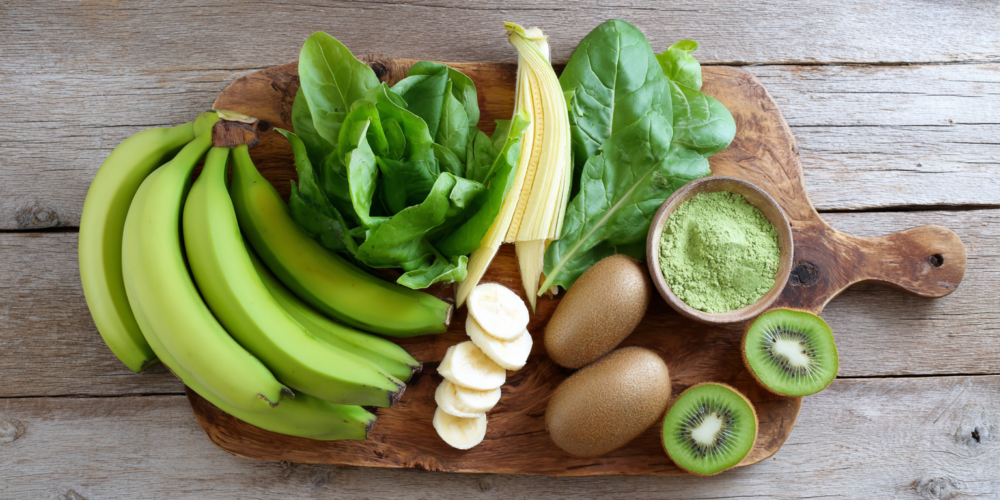
- Leafy Greens: Spinach and Swiss chard are potassium powerhouses.
- Root Vegetables: Sweet potatoes and white potatoes (with the skin on) are fantastic sources.
- Fruits: While bananas are famous for potassium (one medium banana has about 450 mg), other fruits like avocados, oranges, and cantaloupe are also excellent.
- Legumes: Beans, lentils, and edamame are packed with potassium.
- Fish: Salmon and tuna are good sources.
- Dairy: Yogurt and milk contain a good amount of potassium.
Scientists have even designed an entire eating plan around this principle called the DASH diet (Dietary Approaches to Stop Hypertension). It emphasizes these potassium-rich foods, and studies have shown that people who adhere closely to the DASH diet have a 12% lower risk of stroke.
7. Rethinking “Normal”: The New Blood Pressure Target You Must Know
Continue reading by clicking the ( NEXT 》 ) button below !