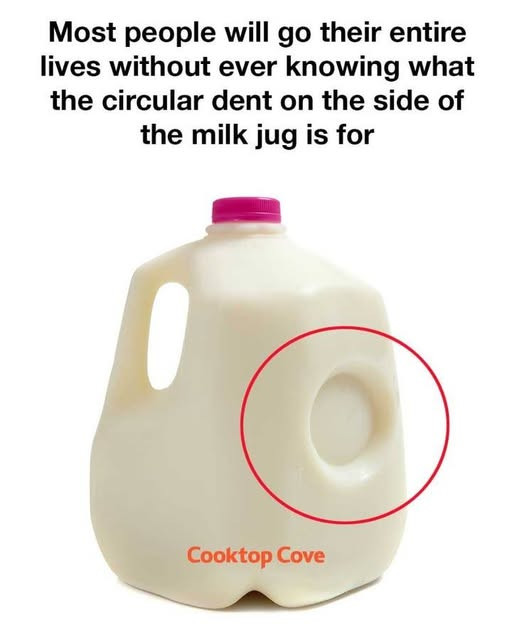
The circular dent on the side of milk jugs is a feature that most people encounter daily but rarely question. This small indentation, often overlooked, holds a significant purpose in the design of milk containers. While many consumers might assume it is merely an aesthetic choice or a manufacturing quirk, the truth is that this dent plays a crucial role in the functionality and safety of the jug. Understanding this feature requires a closer look at the design and engineering principles behind everyday objects, which often go unnoticed.
The Purpose of the Circular Dent: An Overview
The circular dent on a milk jug is not just a random design choice; it serves multiple practical purposes. Primarily, it acts as a pressure release mechanism, allowing the jug to expand and contract without breaking. This is particularly important during transportation and storage, where temperature changes can cause the milk to expand.
The circular dent enhances the structural integrity of the milk jug by allowing it to flex under pressure. When the jug is filled, the liquid exerts outward pressure on the walls. The dent acts as a pressure release point, enabling the jug to expand slightly without cracking. This feature is especially useful during transportation, where jugs are stacked and subjected to varying temperatures. By preventing structural failure, the dent ensures that the milk remains safely contained until it reaches the consumer.
Reason 2: Cost Efficiency in Manufacturing
Incorporating a circular dent into the design of milk jugs also contributes to cost efficiency in manufacturing. The dent allows for a reduction in the amount of plastic needed to produce each jug, as it strengthens the structure without requiring additional material. This not only lowers production costs but also reduces the environmental impact of manufacturing. By optimizing the design for material efficiency, manufacturers can produce more jugs with less plastic, benefiting both the economy and the environment.
Reason 3: Consumer Safety and Spill Prevention
Next

High School Quarterback Honors Childhood Promise To Girl With Down Syndrome — Takes Her As His Prom Date

‘Bride-To-Be’ Runs Off With $900 Of Salon Services So Staff Calls Her Out In Public To Get Payback

Judi Dench Admitted She ‘Can’t See Anymore’ In Candid Interview
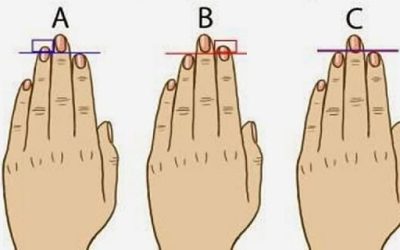
Your fingers can tell you a lot about your personality. What kind of fingers do you have?

Devoted Dad Raises Son With Down Syndrome Alone After Wife Wanted To Give Him Up